What Is ADHD Paralysis?
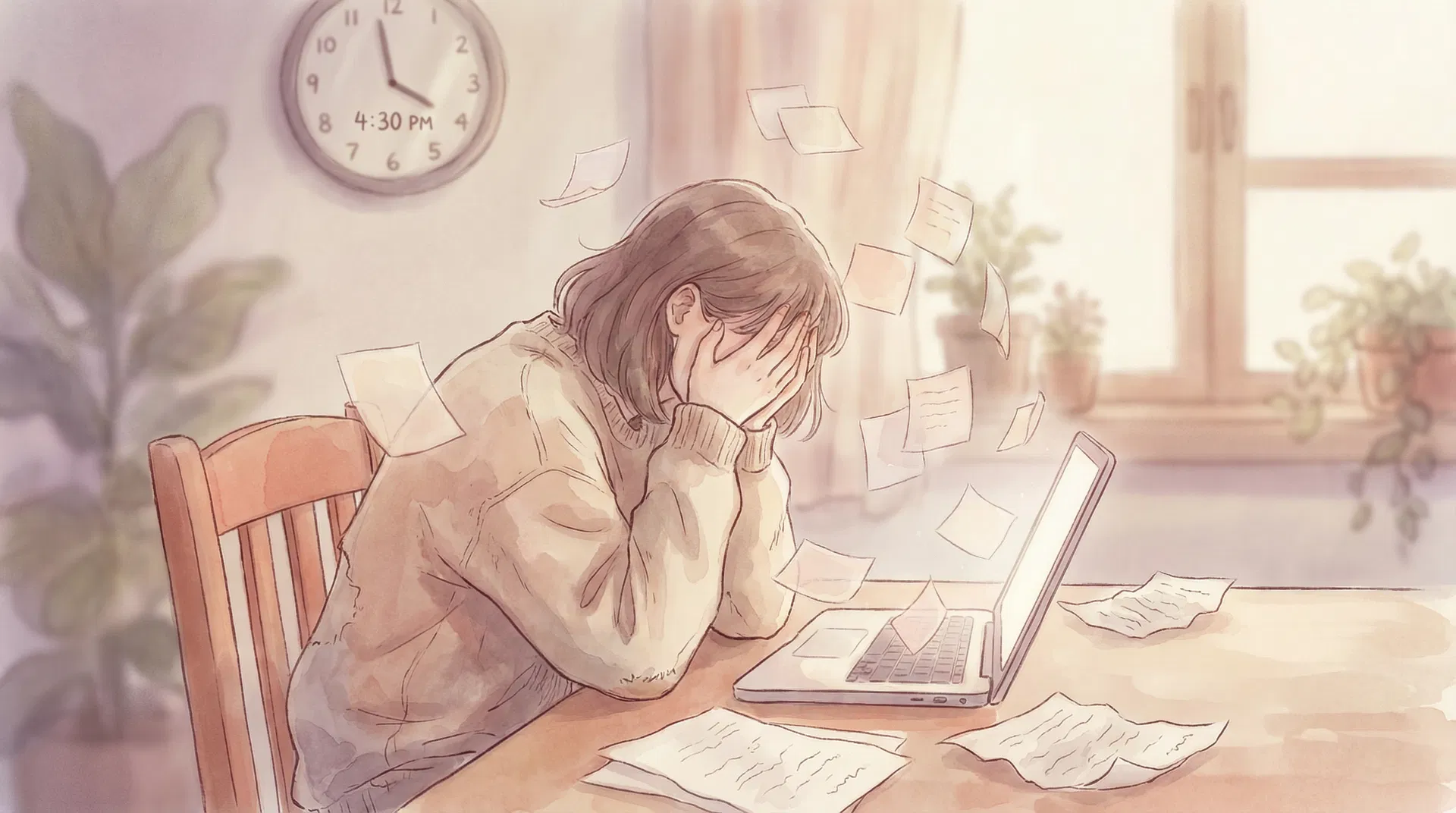
You know exactly what you need to do. The task is right there — on your to-do list, on your screen, in your head. And yet, you cannot start. Minutes turn into hours. Hours turn into a full day. The guilt builds, the anxiety spikes, and still — nothing happens. This is ADHD paralysis, and if you have experienced it, you are far from alone.
ADHD paralysis (sometimes called task paralysis or executive dysfunction freeze) is the experience of being completely unable to initiate, continue, or complete a task despite wanting to and knowing how. It is not laziness. It is not a lack of motivation. It is a neurological bottleneck in the brain's executive function system — the same system responsible for planning, prioritizing, and initiating action.
For people with ADHD, the prefrontal cortex (the brain's "command center") works differently. It relies heavily on dopamine and norepinephrine to activate and sustain attention. When a task does not provide enough stimulation — or when there are too many competing demands — the system can essentially stall, like an engine that will not turn over. You are stuck, and no amount of willpower can force the ignition.
The Three Types of ADHD Paralysis
Not all ADHD paralysis looks the same. Understanding which type you are experiencing can help you choose the right strategy to break free.
Task paralysis is the most commonly recognized form. You have a specific task to do — write an email, clean the kitchen, start a project — but you cannot begin. The task might feel too big, too boring, too ambiguous, or too emotionally loaded. Your brain refuses to engage, and you might find yourself scrolling your phone, reorganizing your desk, or doing anything except the thing you need to do.
Choice paralysis (also called analysis paralysis) happens when you are faced with too many options or decisions. What should I eat for dinner? Which task should I start first? Should I reply to this email now or later? The ADHD brain struggles with prioritization, and when everything feels equally important (or equally unimportant), the decision-making system can lock up entirely. You end up doing nothing because you cannot decide what to do.
Emotional paralysis occurs when overwhelming emotions — anxiety, shame, fear of failure, rejection sensitivity — shut down your ability to act. Maybe you are avoiding a task because you are afraid of doing it wrong. Maybe a critical email triggered rejection sensitivity dysphoria and now you cannot think about anything else. Emotional paralysis is often the most painful type because it comes with intense feelings of inadequacy on top of the inability to act.
The Neuroscience Behind the Freeze
Understanding why ADHD paralysis happens can help reduce the shame around it. This is not a character flaw — it is brain chemistry.
The ADHD brain has differences in dopamine regulation. Dopamine is the neurotransmitter responsible for motivation, reward anticipation, and the ability to initiate action. In neurotypical brains, dopamine is released in anticipation of completing a task, providing the "push" needed to start. In ADHD brains, this anticipatory dopamine release is often insufficient, especially for tasks that are not inherently interesting or urgent.
This is why people with ADHD can hyperfocus on a video game for six hours but cannot start a 10-minute email. The video game provides constant, immediate dopamine hits (novelty, challenge, reward). The email provides almost none. It is not about importance — it is about the brain's reward system failing to activate for certain types of tasks.
Additionally, the prefrontal cortex in ADHD brains shows reduced activity during tasks requiring sustained attention and executive control. When the prefrontal cortex is underactivated, the brain's ability to plan, sequence, and initiate complex actions is compromised. Add stress, fatigue, or emotional overwhelm to the mix, and the system can shut down entirely — resulting in the paralysis experience.
The amygdala (the brain's threat detection center) also plays a role, particularly in emotional paralysis. When a task triggers anxiety or fear of failure, the amygdala can override the prefrontal cortex, shifting the brain into a freeze response. This is the same fight-flight-freeze mechanism that activates during perceived danger — except in this case, the "danger" is an overdue report or an unanswered text message.
9 Strategies to Break Free from ADHD Paralysis
There is no single solution that works for everyone, and what works today might not work tomorrow. That is normal with ADHD. The key is having a toolkit of strategies you can rotate through. Here are nine approaches that many people with ADHD find helpful.
1. The Two-Minute Rule. Tell yourself you only have to work on the task for two minutes. That is it. Set a timer if it helps. The hardest part of ADHD paralysis is starting — once you are in motion, continuing is often much easier. Two minutes removes the pressure of commitment and tricks the brain into engaging. More often than not, you will keep going past the two minutes because momentum has kicked in.
2. Body Doubling. Body doubling means having another person present (physically or virtually) while you work. They do not need to help you or even do the same task — their presence alone can provide enough external accountability and stimulation to help your brain engage. This works because the social context adds a layer of gentle pressure and novelty. Try working alongside a friend, joining a virtual coworking session, or even having a video call running in the background.
3. The "Wrong Thing First" Trick. When you cannot start the thing you are supposed to do, give yourself permission to start with something else — anything else that is even slightly productive. Answer a different email. Organize one drawer. Water a plant. Sometimes doing a "wrong" task first generates enough momentum and dopamine to transition into the real task. Progress on anything can break the freeze.
4. Sensory Reset. ADHD paralysis often comes with physical tension and mental fog. A quick sensory reset can jolt your nervous system out of freeze mode. Try splashing cold water on your face, holding an ice cube, doing 10 jumping jacks, stepping outside for fresh air, or putting on a song that makes you want to move. The goal is to change your physical state, which can shift your mental state.
5. Break It Into Absurdly Small Steps. "Clean the house" is paralyzing. "Pick up the three things on the coffee table" is doable. Break your task into the smallest possible steps — so small they feel almost silly. Write down each micro-step. The ADHD brain struggles with ambiguity and overwhelm, so removing both by making each step crystal clear can unlock the ability to start.
6. Add Artificial Urgency. The ADHD brain is often driven by urgency rather than importance. If a task is not urgent, your brain may refuse to engage with it until the deadline is breathing down your neck. You can hack this by creating artificial urgency: set a timer for 15 minutes and race against it, tell someone you will send them the finished task by a specific time, or use an app that gamifies productivity.
7. Change Your Environment. Sometimes the paralysis is linked to your physical environment. If you have been staring at your desk for an hour unable to start, move. Go to a coffee shop, sit on the floor, work from your bed, go to a library. A change of scenery provides novelty (dopamine) and can break the association between your current location and the feeling of being stuck.
8. Use a Timer Game. Set a timer for a short interval — 10 or 15 minutes — and challenge yourself to do as much as possible before it goes off. This turns the task into a game, adding the elements of challenge and time pressure that the ADHD brain responds to. It also makes the task feel finite rather than endless. Our Focus Timer tool is designed specifically for this approach, with flexible intervals and gentle cues.
9. Practice Self-Compassion (Seriously). This might sound like a soft suggestion, but it is one of the most important. Shame and self-criticism make ADHD paralysis worse. When you beat yourself up for not starting, you add emotional weight to the task, making it even harder to begin. Instead, try acknowledging the paralysis without judgment: "My brain is stuck right now. That is frustrating, but it is not my fault. What is one tiny thing I can try?" Self-compassion reduces the emotional charge around the task and frees up mental energy for action.
When Paralysis Becomes Chronic: Recognizing Burnout
If you are experiencing ADHD paralysis more frequently or intensely than usual, it might be a sign of something deeper: neurodivergent burnout. Burnout happens when the cumulative demands of masking, compensating, and pushing through executive dysfunction exceed your capacity to recover.
Signs that paralysis might be burnout-related include feeling unable to do even tasks you normally enjoy, increased sensory sensitivity, emotional numbness or heightened emotional reactivity, physical exhaustion that sleep does not fix, and a sense that your usual coping strategies have stopped working.
Burnout-related paralysis requires a different approach than everyday task paralysis. Instead of pushing harder with productivity hacks, you may need to reduce demands, increase rest, and address the root causes of depletion. Our Burnout Check tool can help you assess whether what you are experiencing goes beyond typical ADHD paralysis.
Remember: ADHD paralysis is a real neurological experience, not a moral failing. Every neurodivergent person deals with it, and there is no shame in struggling. The fact that you are reading this article and looking for strategies means you are already taking a step forward. Be gentle with yourself — your brain works differently, and that is okay.
You Might Also Like
 Workplace
Neurodivergent at Work: A Practical Guide to Accommodations You Can Actually Ask For
Most workplaces were not designed for neurodivergent brains. This guide covers 15 specific accommodations you can request, how to ask (with email templates), your legal rights, and self-accommodations you can implement today.
Read article Sensory
Sensory Overload Survival Guide: What It Feels Like and How to Cope
When the world gets too loud, too bright, and too much — this guide explains what sensory overload is, why it happens in neurodivergent brains, and gives you practical coping strategies for home, work, and social situations.
Read articleBreak free from paralysis with the right tools
Our Focus Timer is designed specifically for ADHD brains — with flexible intervals, gentle cues, and no guilt.