What Does Neurodivergent Mean?
The term "neurodivergent" was coined by sociologist Judy Singer in the late 1990s as part of the neurodiversity movement. It refers to people whose brains function differently from what is considered the statistical norm — or "neurotypical." Neurodivergence is not a single condition but an umbrella term that includes ADHD (Attention Deficit Hyperactivity Disorder), autism spectrum conditions, dyslexia, dyspraxia, dyscalculia, Tourette syndrome, and giftedness, among others.
The key insight of the neurodiversity paradigm is that these differences are natural variations in human neurology, not defects to be fixed. Just as biodiversity strengthens an ecosystem, neurodiversity strengthens human communities by bringing different perspectives, problem-solving approaches, and creative capacities.
That said, living in a world designed primarily for neurotypical brains can create real challenges. Understanding your specific neurotype — how your brain processes information, manages energy, handles sensory input, and regulates emotions — is the first step toward building a life that works with your brain instead of against it.
ADHD: More Than Just Attention
ADHD is one of the most common neurodivergent conditions, affecting an estimated 5-7% of children and 2-5% of adults worldwide. Despite its name, ADHD is not really about a deficit of attention — it is about difficulty regulating attention. People with ADHD can often hyperfocus on interesting tasks for hours while struggling to pay attention to boring but necessary ones.
ADHD involves differences in executive function — the brain's management system that handles planning, organizing, initiating tasks, managing time, regulating emotions, and switching between activities. Common experiences include time blindness (difficulty perceiving how much time has passed), rejection sensitivity dysphoria (intense emotional pain from perceived rejection), and difficulty with task initiation (knowing what to do but being unable to start).
ADHD presents in three subtypes: predominantly inattentive (formerly called ADD), predominantly hyperactive-impulsive, and combined type. Many adults, especially women and those assigned female at birth, are diagnosed later in life because their symptoms do not match the stereotypical image of a hyperactive young boy. Late diagnosis is valid, and understanding your ADHD at any age can be transformative.
Autism: A Different Way of Experiencing the World
Autism is a neurodevelopmental condition characterized by differences in social communication, sensory processing, and patterns of behavior and interests. The autism spectrum is incredibly broad — no two autistic people are the same, and the old categories of "high-functioning" and "low-functioning" are increasingly recognized as unhelpful and inaccurate.
Many autistic people experience the world more intensely than neurotypical people. Sensory input — sounds, lights, textures, smells — can be overwhelming or underwhelming. Social interactions may require conscious effort and energy (masking) that neurotypical people do not need. Special interests can provide deep joy, expertise, and a sense of identity.
Common autistic experiences include stimming (self-stimulatory behaviors like hand-flapping, rocking, or fidgeting that help regulate sensory and emotional states), difficulty with unwritten social rules, a strong need for routine and predictability, and intense focus on specific interests. Autistic burnout — a state of exhaustion from the cumulative effect of masking and navigating a neurotypical world — is a significant concern that differs from regular burnout.
Giftedness and Twice-Exceptionality
Giftedness is increasingly recognized as a form of neurodivergence. Gifted individuals often experience the world with heightened intensity — a concept called "overexcitabilities" described by psychologist Kazimierz Dabrowski. These overexcitabilities can be intellectual, emotional, sensory, imaginational, or psychomotor.
Twice-exceptional (2e) individuals are those who are both gifted and have another neurodivergent condition, such as ADHD or autism. This combination can be particularly challenging because the giftedness can mask the other condition (and vice versa), leading to late or missed diagnoses. A 2e person might excel academically while struggling enormously with executive function, social interaction, or sensory processing.
Understanding giftedness as neurodivergence helps explain experiences like existential anxiety, intense empathy, perfectionism, and the feeling of being fundamentally different from peers. It also validates the real challenges that come with a brain that processes everything more deeply and intensely.
Practical First Steps
If you are newly discovering your neurodivergence — whether through formal diagnosis, self-identification, or simply recognizing patterns — here are some practical first steps:
Learn about your specific neurotype. Read books, follow neurodivergent creators, and join communities (Reddit's r/ADHD, r/autism, and r/neurodiversity are good starting points). Hearing other people describe experiences you thought were unique to you can be profoundly validating.
Start tracking your patterns. Use tools like the The NDBourhood energy tracker and daily check-in to understand your energy cycles, sensory triggers, and focus patterns. Self-knowledge is the foundation of effective self-management.
Audit your environment. Look at your daily life through a neurodivergent lens. Where are the friction points? What accommodations might help? This could be as simple as noise-cancelling headphones, a visual timer, or rearranging your workspace.
Be patient with yourself. Understanding your brain is a journey, not a destination. There will be grief for the struggles you did not understand before, and there will be relief in finally having a framework that makes sense. Both are valid. Go at your own pace — that is what The NDBourhood is all about.
You Might Also Like
 Workplace
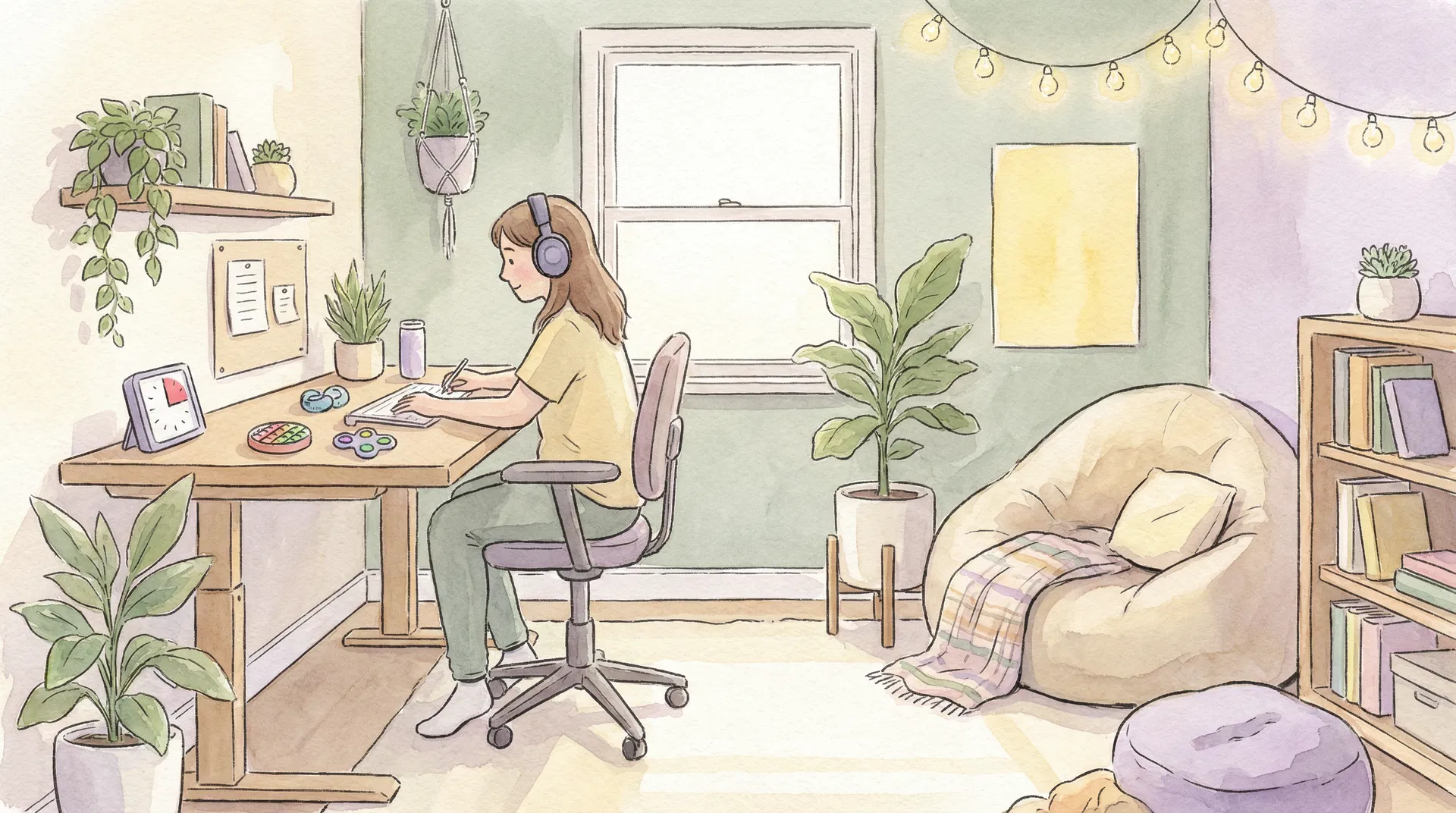
Neurodivergent at Work: A Practical Guide to Accommodations You Can Actually Ask For
Most workplaces were not designed for neurodivergent brains. This guide covers 15 specific accommodations you can request, how to ask (with email templates), your legal rights, and self-accommodations you can implement today.
Read article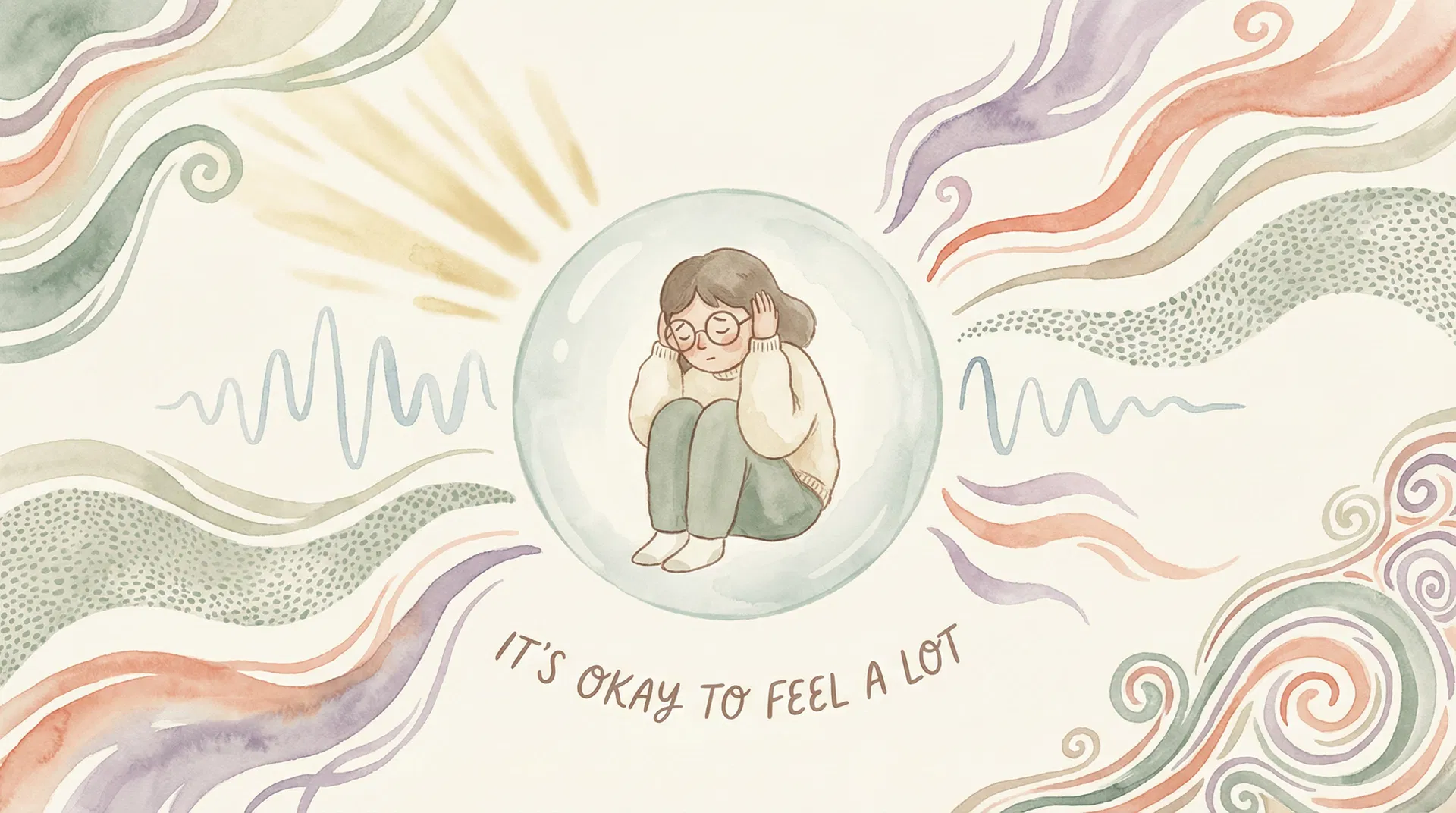 Sensory
Sensory Overload Survival Guide: What It Feels Like and How to Cope
When the world gets too loud, too bright, and too much — this guide explains what sensory overload is, why it happens in neurodivergent brains, and gives you practical coping strategies for home, work, and social situations.
Read articleReady to explore your brain?
Try our free tools designed specifically for neurodivergent minds.